
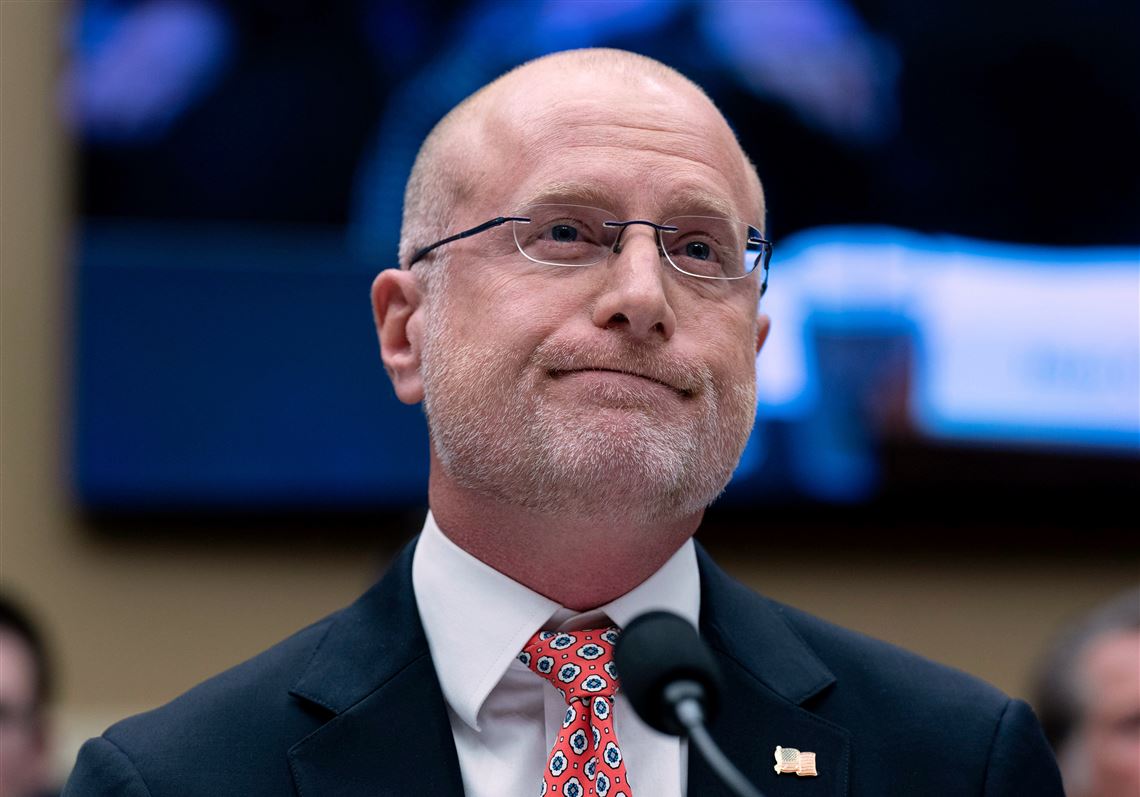
FCC Considers Allowing AI Political Robocalls Without Prior Consent
NO IMAGE
AI Regulation & Policy

FCC Considers Allowing AI Political Robocalls Without Prior Consent

Associated PressOct 7, 2026

The FCC opened comment on a request to allow unsolicited political calls using artificial or prerecorded voices ahead of November’s midterm elections.

The Federal Communications Commission has advanced a petition seeking to loosen restrictions on political robocalls, including calls that use AI-generated voices. The request, brought by the conservative policy group Club for Growth, would allow political organizations to place certain unsolicited automated calls to cellphones without first obtaining recipients’ consent.

The FCC has opened the proposal to public comment, and the agency could decide as soon as late October. The reply-comment period is scheduled to close October 19. Under the proposed waiver, callers would still face some conditions, including an opt-out option and a limit of three calls to an individual within 30 days.

Current federal rules generally prohibit robocalls to mobile phones without advance consent. AI voice cloning has already featured in election-related calls: in 2024, New Hampshire voters received a fabricated call using a voice resembling then-President Joe Biden that urged them not to vote in the primary. The FCC subsequently ruled that AI-generated voice-cloning calls were covered by consumer-protection restrictions.

The petition comes shortly before the November midterms, giving the commission a compressed timeline if the waiver is to affect campaign outreach this election cycle. Supporters say the change could help political groups reach voters in more languages; consumer and democracy advocates warn that weakening the consent requirement could increase unwanted or deceptive calls. The FCC has not made a final decision, so the possible scope of any change remains unresolved.

Industry Impact

Political outreach faces a possible rule change

Political campaigning, telecommunications

Overview

Campaign organizations and political outreach providers face uncertainty over whether they can use unsolicited automated calls to cellphones this election cycle. The FCC has opened the proposal to public comment, with replies due October 19 and a decision possible as soon as late October. Legal and compliance teams will need to track the outcome and assess any conditions, including opt-outs and a three-call limit per person within 30 days. Longer term, a waiver could expand campaign reach while heightening concerns about unwanted or deceptive AI-voiced calls.

Key Impact Points

The proposed waiver could change how political groups contact cellphone users without advance consent.

Any permitted calls would still face proposed opt-out and frequency limits, creating compliance needs.

AI voice-cloning concerns raise reputational and consumer-protection risks for campaign outreach.

Opportunities

Conditional opportunity in compliant campaign calling

Political campaigning, telecommunications

If the FCC grants the waiver, political organizations may have more room to use automated calls to reach voters, including in more languages, as supporters of the request argue. That creates a possible need for campaign calling workflows that manage opt-outs, enforce the proposed three-calls-in-30-days limit, and document compliance. Because the agency has not decided, investment should remain conditional. Providers and campaigns should also consider safeguards against deceptive AI-generated voices, given the article’s example of a fabricated election call. The article does not establish market demand or pricing, so any commercial opportunity remains speculative.

  • Compliant political-call management

    Problem: Campaigns may face new operational and compliance requirements if unsolicited automated calls to cellphones are permitted.

    Solution: A calling workflow could track opt-outs, enforce applicable frequency limits, and support review of AI-generated voice content, subject to the FCC’s final decision.

    Target Users: Political organizations and campaign outreach providers.

    Business Value: Could help campaigns manage outreach while reducing the risk of exceeding call limits or using misleading voice content.

    Revenue Potential: Potential software or service sales to political organizations, but the article provides no evidence of demand or willingness to pay.

Reference link

https://apnews.com/article/fcc-political-robocalls-artificial-intelligence-ai-midterms-b97fb6e8d06704dc043556dba25de548

Image Source Link

https://www.toledoblade.com/image/2026/10/07/1140x_a10-7_cTC/Media-ABC-FCC-2.jpg

Community Discussion (0)

No discussions yet. Be the first to start the conversation!