
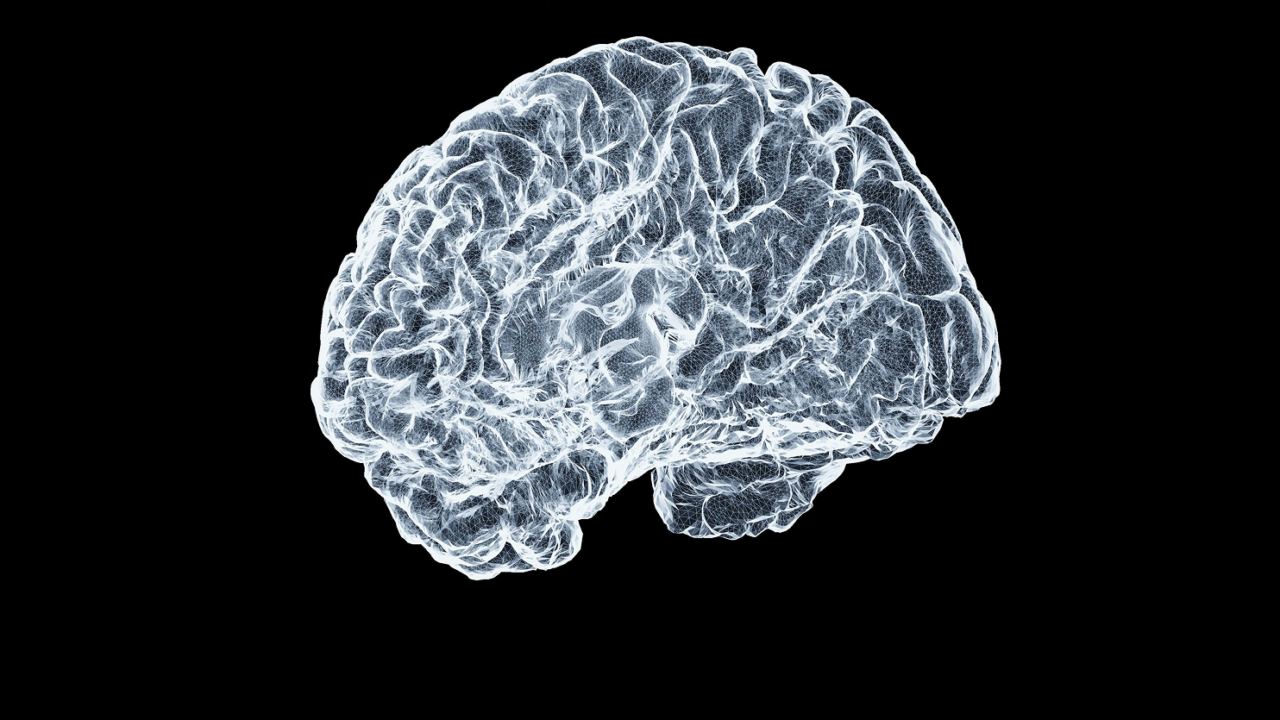
C-BRAIN is working with NVIDIA on AI infrastructure and research tools designed to help scientists analyze Alzheimer’s data and evaluate hypotheses.
The Consortium for Biomedical Research and AI in Neurodegeneration (C-BRAIN) is working with NVIDIA to build AI-supported research capabilities for Alzheimer’s disease. The consortium, led by Washington University neurologist Randall Bateman, launched in November 2025 and includes 18 academic, philanthropic, pharmaceutical and research institutions. NVIDIA described the collaboration on October 27, 2026.
C-BRAIN is bringing together research data that may otherwise be inaccessible to conventional AI analysis, including unpublished results, negative findings and institution-governed datasets. Its infrastructure combines centralized and federated computing: models can learn from data held at participating institutions without requiring that data to leave those institutions. C-BRAIN currently operates 64 NVIDIA data-center GPUs on premises, alongside cloud nodes on Microsoft Azure. The consortium says additional NVIDIA GPU capacity, including Blackwell systems, is planned as its work expands.
Two open-source tools are already in use. OpenScientist, developed with Lawrence Berkeley National Laboratory, takes a research question and dataset and can generate hypotheses, conduct analyses and produce auditable results. InsightEngine, built with 387 Labs, tests hypotheses against scientific literature, user-provided datasets and a biomedical knowledge graph, checking claims against evidence as part of its workflow.
In published case studies, C-BRAIN says OpenScientist completed analyses in minutes that domain scientists estimated would take weeks to months, for less than $10 per run. The consortium says its current reach exceeds 200 research groups; at scale, it estimates the tools could potentially free up more than one million research hours annually. These are reported results and projections, not evidence that the tools have produced a treatment.
The collaboration also plans to use NVIDIA’s BioNeMo platform and the MONAI framework in research pipelines. Longer term, C-BRAIN aims to develop a multimodal biological foundation model drawing on neuroimaging, multi-omics, fluid biomarkers and longitudinal clinical measures. By its third year, the consortium aims to identify causal mechanisms of brain aging and Alzheimer’s disease for further testing.