
NVIDIA and UW Medicine introduced the open RFD4-Proteina model, alongside collaborations involving drug discovery and AI-assisted cancer radiotherapy.
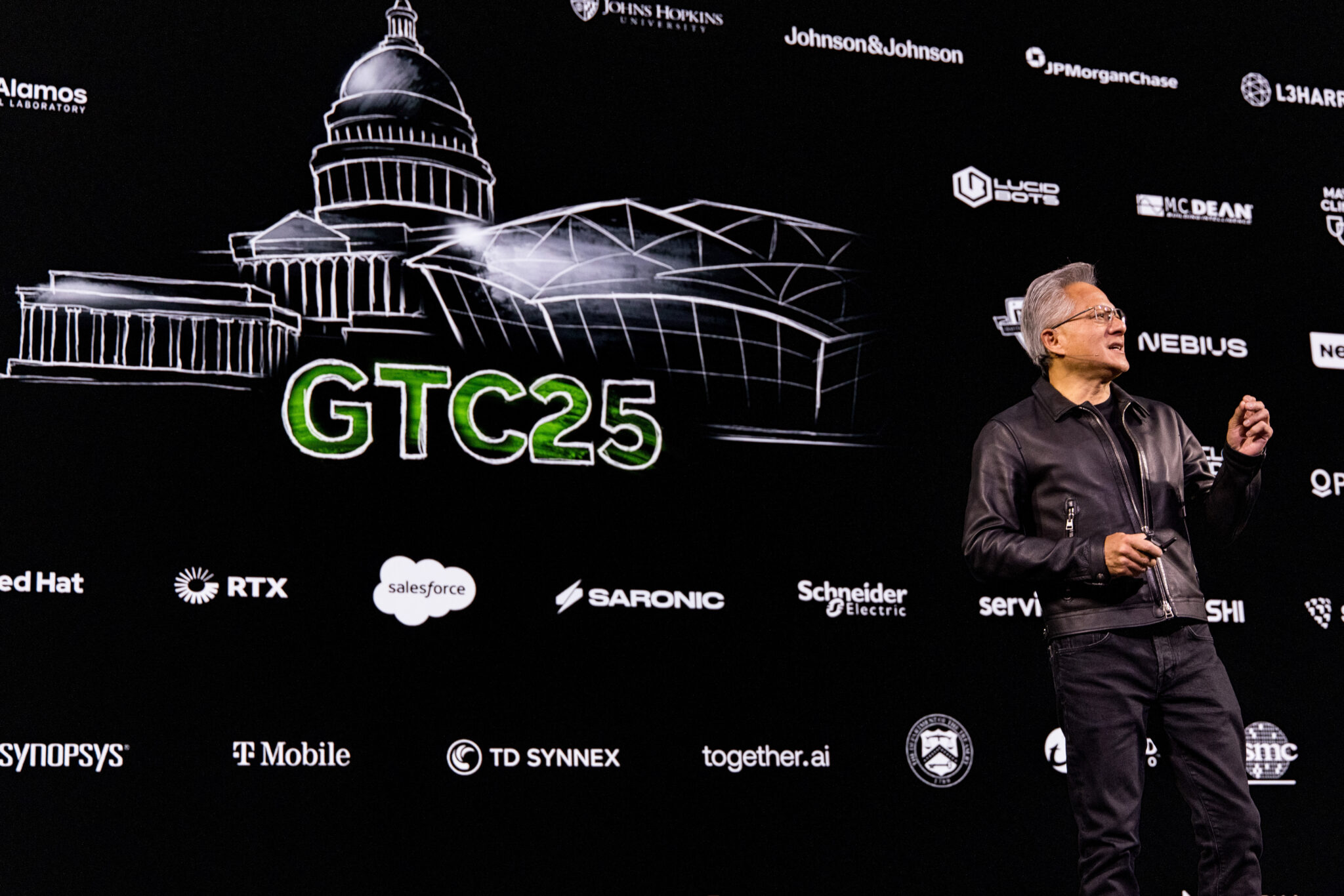
NVIDIA and the University of Washington’s Institute for Protein Design introduced RFD4-Proteina, an open model designed to generate and help researchers search for protein designs. Announced at NVIDIA’s GTC Berlin event on October 21, the model is part of a broader set of healthcare and life-sciences collaborations focused on protein design, drug discovery and cancer care.
According to NVIDIA, RFD4-Proteina combines programmable protein design with search capabilities. Researchers can specify molecular inputs, constraints and scoring objectives to generate and refine candidate designs. The company reported that the model performed better than selected baselines across four computational benchmark suites covering protein binding, small-molecule binding, enzyme scaffolding and DNA binding. Those results can help prioritize candidates for laboratory work, but computational benchmarks do not establish that a designed protein will work in experiments or become a treatment.
NVIDIA also described work with Siemens Healthineers on adaptive radiotherapy, combining imaging and oncology expertise with computing, simulation and AI-assisted planning. The proposed system involves agentic co-planning, patient-specific simulation and robotic control. The announcement describes collaboration and development goals, not a broadly deployed clinical product or evidence of improved patient outcomes.
Other organizations, including companies working in laboratory automation and life-sciences software, are using NVIDIA’s BioNeMo platform to connect AI models with scientific workflows. The combined announcements illustrate a strategy that spans foundational research tools and potential clinical applications: make model capabilities available to researchers, connect them to laboratory or care workflows, and evaluate where they can save time or improve precision. Open availability may enable independent researchers to inspect and build on the protein-design model, while experimental validation and clinical evaluation remain necessary before any patient-care claims can be made.