
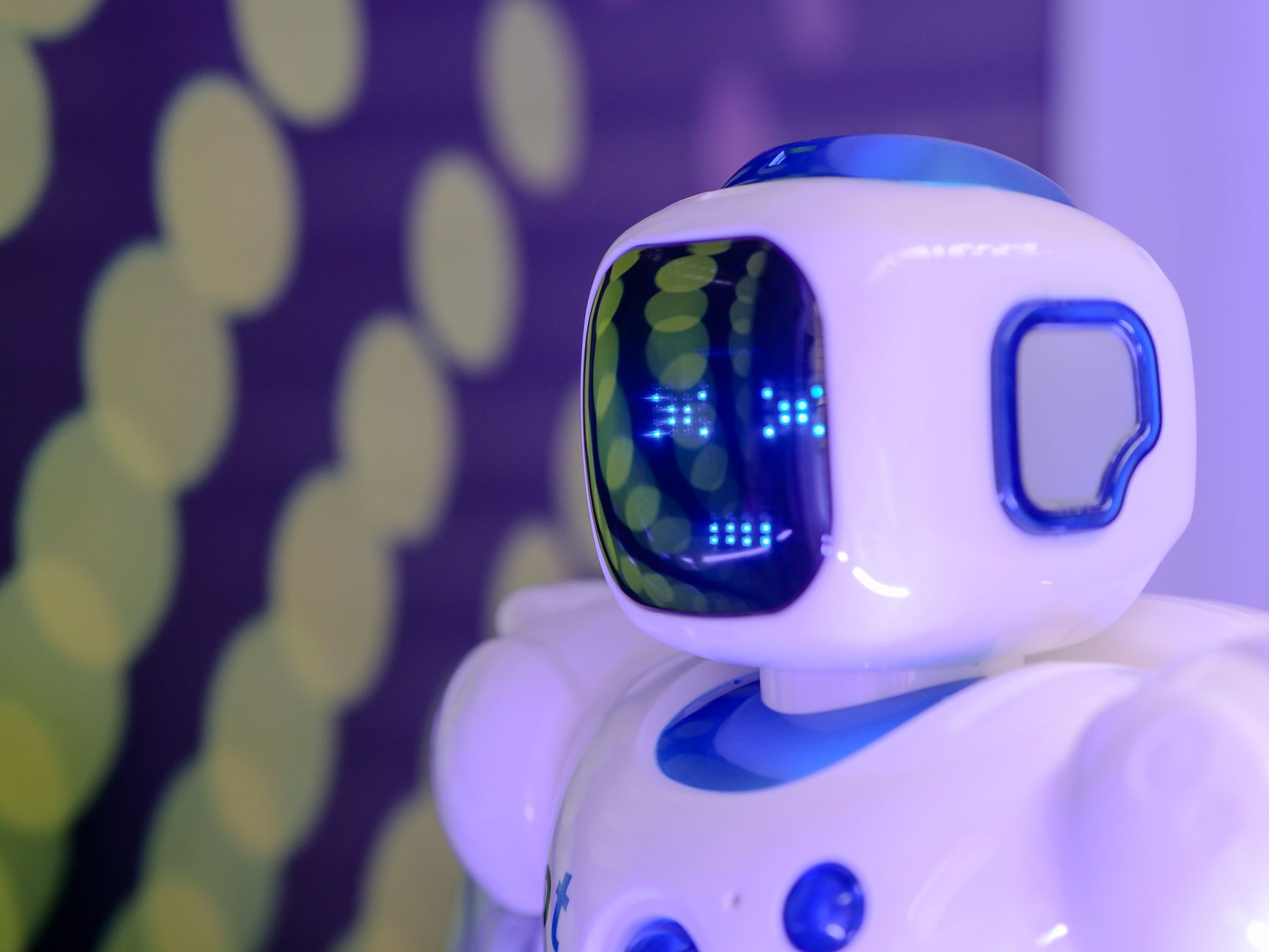
Long-running autonomous AI agents
AI products are increasingly being designed to retain context, use tools, and pursue multi-step goals over longer periods with human oversight.
Overview
Recent product announcements and model positioning emphasize agents that can do more than answer a prompt: they can work through multi-step tasks, use tools, and provide progress updates. Google’s Gemini 4 Argon launch describes complex real-world workflows and task-oriented experiences, while NVIDIA’s new Nemotron models are explicitly aimed at always-on agents. These developments point to a shift from chat interfaces toward delegated work. Reliability, permission boundaries, observability, and clear approval points remain essential for safe deployment.
Why This Topic is Trending
The latest model and platform announcements increasingly describe agents as a primary deployment target, rather than a speculative extension of chatbots. New models are being optimized for tool use and sustained workflows, while consumer and enterprise products are exposing task-oriented interfaces. This convergence of model capability and product distribution is driving experimentation, although dependable autonomy remains an engineering and governance challenge.
Key Insights
Longer task horizons increase the value of persistent context, progress reporting, and recovery from errors.
Tool use and integrations are central to turning model capability into completed work.
Agent autonomy must be paired with scoped permissions and human approval for consequential actions.
Evaluation needs to measure end-to-end task success, not just model responses.
Practical Use Cases
Industry Impact
- •Could reduce manual coordination across repetitive, multi-step workflows.
- •Shifts product differentiation toward integrations, execution reliability, and governance.
- •Creates demand for audit trails, permission management, and agent monitoring.
- •Makes task completion time and human intervention rates important operational measures.